Contact us
Send Us Your Case Details
We’ll respond and let you know the best way to proceed with your case.

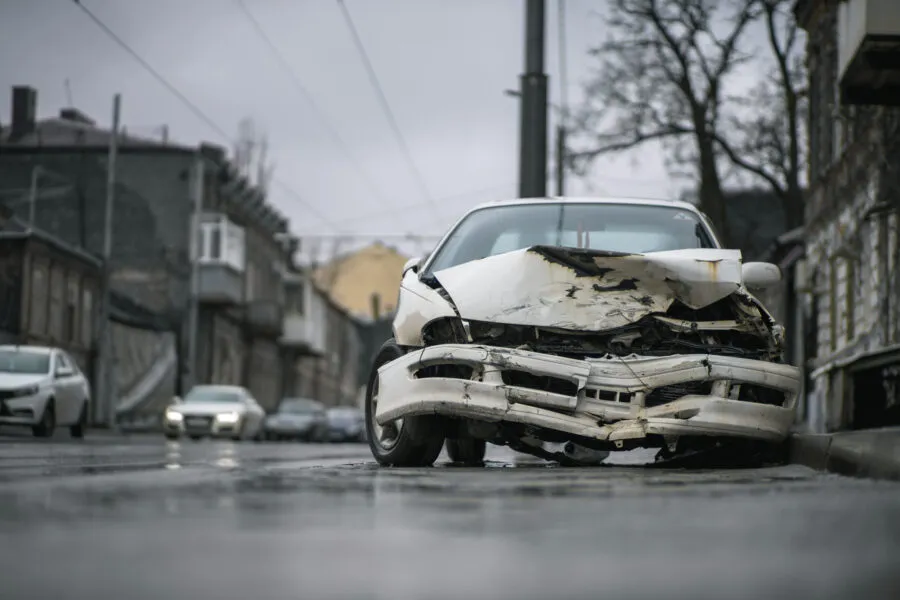
When autumn arrives in Virginia Beach, the city transforms with cooler temperatures, changing leaves, and shorter days. While many residents welcome the seasonal shift, this time of year brings an unfortunate reality: auto accidents increase significantly throughout the fall months. Understanding why these crashes occur more frequently during autumn can help drivers stay safer and know when to seek legal assistance if an accident does occur.
The statistics paint a concerning picture. According to the National Highway Traffic Safety Administration, fatal car accidents increase by nearly 16% from October through December compared to the summer months. Virginia follows this national trend, with local law enforcement reporting higher accident rates beginning in late September and continuing through November.
Several interconnected factors contribute to this seasonal surge in vehicle collisions. From environmental changes to human behavior patterns, the fall season presents unique challenges that catch many drivers unprepared. Recognizing these hazards empowers drivers to take preventive measures and helps accident victims understand their rights when seeking compensation.
Virginia Beach experiences dramatic weather shifts during the autumn months that significantly impact road safety. Morning fog becomes increasingly common as temperature differences between day and night widen. This fog reduces visibility to dangerous levels, particularly during morning and evening commute hours when traffic volume peaks.
Rain frequency increases substantially during fall months in the Hampton Roads area. These precipitation patterns create multiple hazards for drivers. Wet roads reduce tire traction, extending stopping distances and making vehicle control more difficult. Oil and debris that accumulate on road surfaces during dry periods become especially slippery when mixed with the first rains of the season.
Temperature fluctuations also contribute to accident risks. Roads can become unexpectedly slick when morning frost forms on pavement, particularly on bridges and overpasses that cool faster than ground-level surfaces. Many Virginia Beach drivers remain unprepared for these conditions, having grown accustomed to summer driving patterns.
Daylight saving time ends in early November, suddenly plunging evening commutes into darkness. This abrupt change disrupts driver circadian rhythms and creates visibility challenges that many motorists struggle to adapt to quickly. Research shows that human depth perception and peripheral vision decrease significantly in low-light conditions.
The angle of sunlight during the fall months creates additional problems. Lower sun positions cause more severe glare during morning and afternoon driving times. This glare can temporarily blind drivers, making it impossible to see pedestrians, cyclists, or other vehicles. The combination of earlier sunsets and continuing rush hour traffic means more drivers navigate Virginia Beach roads in conditions they typically avoid during the summer months.
Street lighting that seemed adequate during longer daylight hours suddenly becomes insufficient. Many residential areas and secondary roads in Virginia Beach lack adequate illumination for safe nighttime driving, creating particular risks for drivers unfamiliar with these routes.
September brings thousands of students back to Virginia Beach schools and nearby universities. This population surge dramatically increases traffic volume during morning and afternoon hours. Parents dropping off children, school buses navigating residential streets, and young drivers returning to campus all contribute to more crowded roads.
School zones present heightened accident risks during fall months. Speed limits drop significantly in these areas, but many drivers fail to adjust their speed accordingly. Children walking or biking to school often dart into traffic unexpectedly, creating dangerous situations that require quick reflexes and defensive driving techniques.
University students returning to Old Dominion University, Norfolk State University, and other regional colleges add another layer of traffic complexity. Many of these young drivers lack experience handling challenging autumn driving conditions. They may also engage in risky behaviors like speeding, distracted driving, or driving under the influence.
Fall brings numerous holidays and seasonal activities that increase vehicle traffic throughout Virginia Beach. Halloween celebrations, Thanksgiving travel, and autumn festivals draw both residents and tourists to area roads during peak accident periods.
Beach cleanup activities, fall fishing seasons, and hunting expeditions bring additional recreational traffic to Virginia Beach roads. These activities often involve drivers who rarely navigate local routes, creating unpredictable traffic patterns and increasing accident likelihood.
Shopping patterns change during the autumn months as residents prepare for winter and upcoming holidays. Increased trips to retail centers, home improvement stores, and seasonal markets add to overall traffic volume and create more opportunities for accidents.
Many vehicle maintenance problems surface during the fall months after summer stress on automotive systems. Air conditioning systems that worked overtime during hot Virginia Beach summers may fail, causing drivers to operate vehicles with fogged windows or inadequate ventilation.
Tire problems become more apparent as temperatures drop. Tires lose pressure as ambient temperatures decrease, reducing traction and increasing blowout risks. Many drivers postpone tire replacement until necessary, entering the fall months with worn treads that cannot handle wet or slippery conditions effectively.
Battery failures increase significantly during temperature transitions. Dead batteries leave drivers stranded on busy roads, creating hazards for both the disabled vehicle and passing traffic. Alternator and starter problems that develop gradually during the summer months often reach failure points during fall weather changes.
Deer movement patterns change dramatically during fall mating seasons, bringing these large animals into contact with roadways more frequently. Deer typically move during dawn and dusk hours, coinciding with heavy commuter traffic periods.
Other wildlife species also become more active during the autumn months. Birds migrating through the area can create visibility problems or cause drivers to swerve unexpectedly. Small animals searching for winter shelter may dash across roads without warning.
Rural and suburban areas of Virginia Beach experience the highest wildlife-related accident rates during the fall months. Drivers traveling these routes should exercise extra caution during early morning and evening hours when animal activity peaks.
Fall social activities contribute to higher rates of impaired driving throughout Virginia Beach. The college football season brings numerous tailgating events and parties where alcohol consumption is common. Halloween celebrations often extend late into evening hours, increasing the likelihood of impaired drivers on the roads.
Hunting season social gatherings and autumn festivals frequently involve alcohol consumption. Participants may underestimate their impairment levels or fail to arrange safe transportation home. These impaired drivers pose serious risks to other motorists, particularly during evening and nighttime hours.
Virginia Beach accident victims who suffer injuries due to another party’s negligence have legal rights that deserve protection. Personal injury law allows victims to seek compensation for medical expenses, lost wages, property damage, and pain and suffering resulting from accidents.
Proving negligence in fall weather accidents requires thorough investigation and legal expertise. Factors like inadequate vehicle maintenance, failure to adjust driving for conditions, or violation of traffic laws can establish liability for damages. Insurance companies often attempt to minimize payouts by claiming weather conditions absolve drivers of responsibility, making skilled legal representation essential.
Evidence collection becomes critical immediately following fall accidents. Photographic documentation of road conditions, vehicle damage, and weather patterns helps establish the circumstances surrounding crashes. Witness statements and police reports provide additional support for injury claims.
The increased accident risks during fall months make defensive driving practices essential for all motorists. However, even the most careful drivers can become victims of others’ negligence or unavoidable circumstances.
When serious accidents occur, understanding your legal rights and options becomes crucial for protecting your financial future and ensuring proper medical treatment. Personal injury claims can provide the resources needed to recover fully from accident-related injuries and damages.
If you or a family member has been injured in an auto accident this fall, legal assistance can help navigate the complex claims process and fight for fair compensation. Schedule a consultation with Deering Hendrick today by calling (757) 383-6848.