

Contact us
Send Us Your Case Details
We’ll respond and let you know the best way to proceed with your case.

Driving in Virginia offers beautiful scenery that changes dramatically with the seasons. From the vibrant fall foliage on the Blue Ridge Parkway to the sunny shores of Virginia Beach in the summer, each season presents its unique charm. However, these seasonal changes also bring distinct driving challenges. Summer thunderstorms can reduce visibility, autumn leaves can make roads slick, and winter ice can create treacherous conditions. If you are involved in a car accident due to these seasonal factors, understanding how to navigate the insurance claim process is crucial for protecting your rights and securing the compensation you deserve.
Filing an insurance claim can often feel like a complicated and overwhelming process, especially when you are also recovering from the physical and emotional effects of an accident. Insurance companies have their own procedures and interests, which may not always align with yours. This guide will provide a clear overview of the steps you should take after a seasonal car accident. We will explain how different weather conditions can affect your claim and offer practical advice on how to handle interactions with insurance companies. Equipping yourself with this knowledge can help you approach the claims process with greater confidence and work towards a fair resolution.
What you do in the moments immediately following a car accident can have a significant impact on the outcome of your insurance claim. Your priority should always be your safety and the safety of others involved. Check yourself and your passengers for injuries. If anyone is hurt, call 911 immediately to request medical assistance and police presence. Even if injuries seem minor, it is wise to seek a medical evaluation, as some conditions may not present symptoms until hours or even days later.
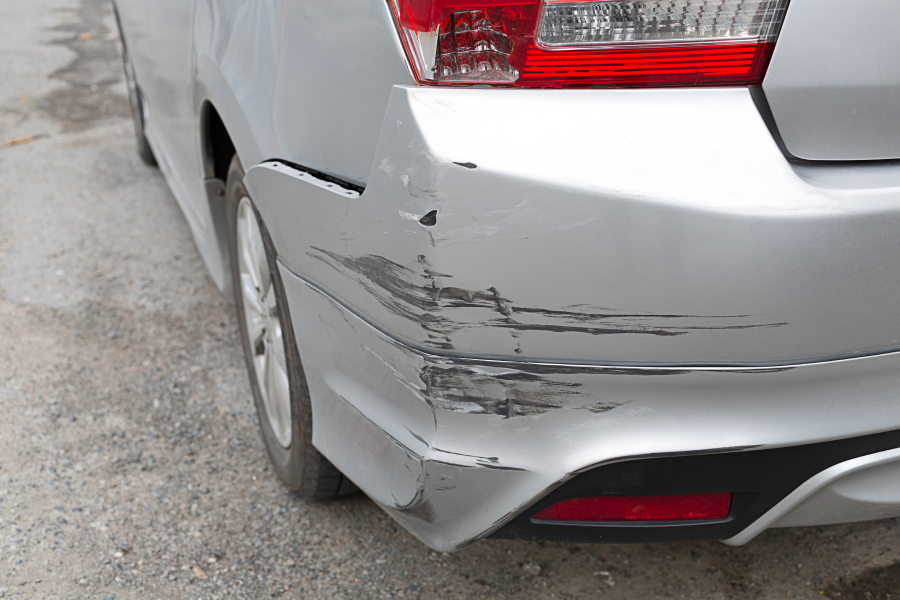
Once you have addressed any urgent medical needs and moved to a safe location away from traffic, you should document the scene of the accident. Use your phone to take pictures of the vehicle damage, the positions of the cars, any relevant road signs, and the surrounding weather conditions. For example, if ice or heavy rain contributed to the crash, photographic evidence of these elements can be very important. You should also exchange contact and insurance information with the other driver. It is important to remain calm and avoid admitting fault or discussing the details of the accident with anyone other than the police. A simple apology can sometimes be interpreted as an admission of guilt, which could complicate your claim later.
After you have taken the necessary steps at the scene, you will need to report the accident to your own insurance company. Most insurance policies require you to notify them of an accident promptly, so it is best not to delay this step. When you speak with your insurance representative, provide a factual account of what happened. Stick to the information you have gathered and avoid speculation about who was at fault or the extent of your injuries. The insurance company will open a claim file and assign an adjuster to your case. This adjuster will be responsible for investigating the accident, evaluating the damages, and determining the settlement amount.
It is also likely that you will be contacted by the other driver’s insurance company. You are not obligated to provide a recorded statement to the other party’s insurer, and it is often in your best interest not to do so without first seeking legal advice. The other insurer’s goal is to minimize the amount they have to pay, and they may use your words against you. Politely decline to give a statement and direct any further communication to your attorney. Managing these interactions carefully is a key part of protecting your claim.
Seasonal weather conditions can introduce complexities into an insurance claim. In Virginia, drivers are expected to operate their vehicles safely according to the prevailing conditions. This means that if you were driving too fast for the rainy, icy, or foggy weather, you could be found partially at fault for the accident, even if another driver made a critical error. Virginia follows a strict contributory negligence rule, which means that if you are found to be even one percent at fault for the accident, you may be barred from recovering any compensation from the other party.
This is why documenting the weather and road conditions at the time of the accident is so vital. If fallen leaves made a road unexpectedly slippery or a sudden downpour caused hydroplaning, this information helps build a complete picture of the incident. An insurance adjuster will consider these factors when determining liability. An experienced personal injury attorney can help gather evidence, such as weather reports and witness statements, to demonstrate how seasonal hazards contributed to the accident and to counter any attempts to assign you unfair blame.
Navigating the complexities of a car accident insurance claim, particularly one involving seasonal factors and Virginia’s contributory negligence laws, can be a formidable challenge. The process requires careful documentation, strategic communication, and a thorough understanding of state law. Attempting to handle it alone while recovering from an accident can add unnecessary stress and may result in a settlement that does not fully cover your losses, which can include medical bills, lost wages, and pain and suffering.
Engaging a knowledgeable personal injury attorney can make a substantial difference. A skilled attorney will manage all communications with the insurance companies, gather the necessary evidence to support your claim, and build a strong case on your behalf. They can protect you from the tactics insurance adjusters may use to devalue your claim and will fight to ensure you receive the fair compensation you need to move forward. If you have been in a seasonal car accident, taking the step to seek legal counsel is a proactive measure to protect your interests. The team at Deering Hendrick is ready to help you. Schedule a consultation today by calling (757) 383-6848.