

Contact us
Send Us Your Case Details
We’ll respond and let you know the best way to proceed with your case.

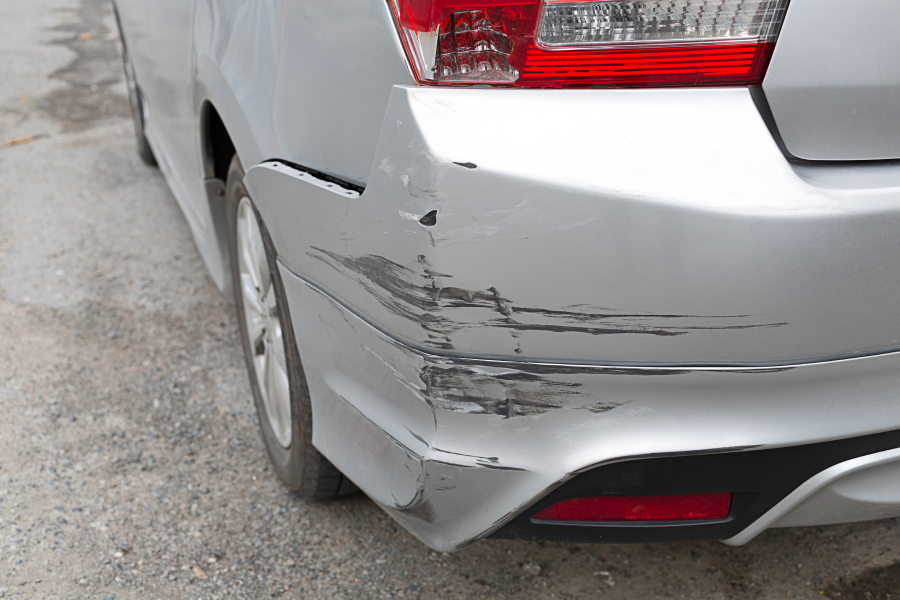
Drivers across Virginia face a shifting legal landscape as legislative updates redefine how insurance policies operate after a collision. Navigating the aftermath of a car accident is already complex, and understanding the nuances of coverage, liability, and compensation becomes even more critical when statutory rules evolve. The new Virginia auto and insurance laws in 2026 introduce significant changes that directly impact accident victims, influencing everything from policy limits to the processing of injury claims. Being informed about these adjustments is the first step toward protecting financial stability and legal rights after a serious crash.
Statutory changes often seem bureaucratic or distant until a collision occurs. At that moment, the specific language within an insurance policy and the laws governing it become the most significant factors in determining recovery. The 2026 updates to Virginia auto and insurance law alter the framework within which injury claims are evaluated, meaning that assumptions based on past accidents or general knowledge may no longer be accurate.
These legislative updates can impact fault determinations, coverage availability, and the timeline for resolving claims. For an injured driver, this could mean the difference between a full recovery of medical costs and a settlement that falls short of covering long-term expenses. Insurance carriers adapt their strategies quickly to new regulations, often interpreting ambiguous language in ways that minimize their financial exposure. Without a clear understanding of how these laws apply to specific accident scenarios, victims risk accepting settlements that do not account for their full legal entitlements under the new rules.
Furthermore, changes in the law often affect how different insurance policies interact. When multiple vehicles are involved, or when liability is contested, the specific statutory requirements in place at the time of the accident dictate priority of coverage. These 2026 statutory changes may shift coverage priorities, potentially leaving unprepared drivers with gaps in protection they did not anticipate.
Virginia has historically maintained specific requirements regarding financial responsibility and auto insurance, and 2026 brings further refinements to these standards. One of the most significant areas of focus involves adjustments to minimum coverage requirements. As medical costs and vehicle repair expenses continue to rise, legislative bodies frequently review whether existing policy limits provide adequate protection for residents. The updates aim to ensure that drivers have sufficient coverage to address the financial realities of modern accidents.
These changes may affect the minimum liability limits drivers must carry, as well as the optional coverages that provide additional layers of security. For injured drivers, this is particularly relevant because the at-fault driver’s insurance policy is the primary source of compensation. If the new laws mandate higher minimums or alter how policies are structured, it could increase the pool of funds available for medical care and lost wages.
Compliance rules are another critical component of the 2026 updates. Stricter enforcement or changes in how lapses in coverage are handled can impact claim validity. Drivers who believe they are fully compliant might find themselves afoul of new administrative requirements if they do not review their policies. For accident victims, understanding these compliance issues is vital, as an at-fault driver’s failure to adhere to new regulations can complicate the recovery process, often necessitating reliance on their own insurance protections.
The direct connection between statutory law and personal injury compensation cannot be overstated. The updated Virginia auto and insurance laws taking effect in 2026 influence how insurance adjusters assess claims and the strategies they employ during negotiations. When laws change, insurance companies revise their internal guidelines to ensure they remain profitable while technically complying with state mandates. This often results in a period of aggressive interpretation where insurers test the limits of the new regulations.
One area likely to see impact is the calculation of damages. If the new laws alter how medical expenses are verified or how non-economic damages like pain and suffering are categorized relative to policy limits, the settlement offers presented to injured drivers may shift. Adjusters may leverage new statutory language to argue for reduced payouts, claiming that certain treatments or extended recovery periods fall outside the scope of amended coverage definitions.
Moreover, the new laws may affect the concept of “bad faith” in insurance practices. Understanding the specific duties insurers owe to policyholders under the 2026 statutes is essential for holding them accountable. If an insurance company delays payment or denies a valid claim without a reasonable basis under the new legal standards, they may be liable for additional damages. However, recognizing these violations requires a deep familiarity with the specific text of the new Virginia auto and insurance laws in 2026.
Perhaps no area of insurance law is as critical to an injured driver’s financial safety net as uninsured (UM) and underinsured motorist (UIM) coverage. These provisions step in when the at-fault driver lacks insurance or carries insufficient limits to cover the full extent of the damages. The new Virginia auto and insurance laws in 2026 introduce nuances to how these coverages are triggered and calculated, making them an essential topic for review.
Historically, Virginia has seen changes in how UIM coverage stacks or applies relative to the at-fault driver’s liability limits. The 2026 updates may further clarify or modify these offsetting rules. For example, legislative adjustments might influence whether a victim can recover the full amount of their UIM policy on top of the at-fault driver’s limits, or if the UIM carrier can deduct the liability payment from their obligation. This distinction represents tens of thousands of dollars in potential compensation for serious injury cases.
Additionally, the process for establishing an uninsured motorist claim may face procedural updates. The new laws could alter the evidence required to prove a “phantom vehicle” caused an accident or change the notification timelines for alerting one’s own carrier of a potential UIM claim. Failure to adhere to these updated protocols could result in a denial of coverage from the victim’s own insurance company, leaving them with no recourse despite paying premiums for this exact protection.
Procedural adherence is the backbone of a successful legal claim. The substantive right to compensation means little if the claim is barred by a missed deadline or a failure to provide proper notice. The new Virginia auto and insurance laws in 2026 may adjust the specific timeframes within which drivers must report accidents to the Department of Motor Vehicles or notify their insurance carriers.
Statutes of limitations for filing lawsuits are strictly enforced in Virginia. While the general timeframe for personal injury actions typically remains consistent, ancillary deadlines related to insurance claims often shift with new legislation. For instance, specific types of coverage, such as Medical Expense Benefits (MedPay), often have distinct filing requirements. The 2026 laws could impose tighter windows for submitting proof of loss or medical documentation, requiring injured drivers to act with greater speed and precision.
Understanding notification requirements is equally important. Insurance policies are contracts, and new statutory language often mandates specific forms of notice when a lawsuit is filed against an at-fault driver. If an injured driver fails to formally serve their own UIM carrier according to the updated procedural rules, they may forfeit access to that coverage. These technicalities are where unrepresented individuals frequently encounter insurmountable obstacles, highlighting the importance of professional legal counsel familiar with the new Virginia auto and insurance laws in 2026.
A common misconception among accident victims is that their insurance company acts solely in their best interest. While insurers have a duty to handle claims fairly, they are also businesses focused on managing risk and cost. Under the updated auto and insurance laws taking effect in 2026, relying entirely on insurance company guidance can be a significant error. Adjusters are trained to interpret new laws in a way that minimizes payout, and they may not volunteer information about expanded rights or coverage options available under the updated statutes.
One frequent mistake is providing a recorded statement without legal preparation. Adjusters may frame questions based on the new legal standards to elicit answers that limit liability. For example, if the new laws introduce specific definitions regarding “contributory negligence” nuances or medical mitigation, an innocent comment by the driver could be used to argue they were partially at fault or failed to seek appropriate care.
Another error involves accepting an early settlement offer. Insurers often rush to settle claims before the full extent of the 2026 law changes are widely understood by the public. An injured driver might accept a sum that seems reasonable based on old standards, not realizing that the new laws entitle them to broader categories of compensation. Once a release is signed, the right to pursue further damages is typically extinguished, regardless of whether the settlement was fair under the new Virginia auto and insurance laws in 2026.
The intersection of medical recovery and legal strategy is where an attorney provides the most value. Determining when to seek counsel is a pivotal decision. Generally, if injuries are significant enough to require ongoing medical treatment, surgery, or time away from work, speaking with a Virginia car accident lawyer is advisable. The complexity of the new Virginia auto and insurance laws in 2026 amplifies this need, as high-value claims draw the most scrutiny from insurance adjusters.
Legal guidance becomes critical when coverage disputes arise. If an insurer denies liability or claims that a specific medical treatment is excluded under the new policy definitions, an attorney can analyze the statutory language to challenge that position. Lawyers track legislative changes specifically to counter the tactics insurance companies use to delay or devalue legitimate claims.
Furthermore, cases involving uninsured or underinsured motorists almost always require professional legal intervention. The interplay between multiple insurance policies and the specific offsetting rules under the 2026 laws creates a mathematical and legal puzzle that is difficult to solve without experience. An attorney ensures that every available avenue of coverage is explored and that the victim receives the maximum compensation permitted by law. Attorneys at Deering Hedrick routinely analyze evolving insurance legislation to ensure injured drivers are not disadvantaged by newly enacted laws or aggressive insurer reinterpretations.
Deering Hedrick remains at the forefront of personal injury law in Virginia, consistently monitoring legislative developments to serve the best interests of our clients. The introduction of the new Virginia auto and insurance laws in 2026 presents both challenges and opportunities for accident victims, and our firm is prepared to navigate this evolving terrain. We understand that effective advocacy requires not only knowledge of the law as it once existed, but a mastery of the law as it stands today.
Our approach involves a thorough analysis of every insurance policy applicable to an accident. We do not accept an insurance adjuster’s interpretation of coverage limits or exclusions. Instead, we apply the updated 2026 statutes to force insurers to honor their contractual and legal obligations. Whether it involves fighting for fair value in a settlement negotiation or litigating complex coverage issues in court, Deering Hedrick provides the strategic representation necessary to protect injured drivers from being taken advantage of during a vulnerable time.
Navigating the aftermath of a severe crash requires a partner who understands the intricacies of auto accident injury claims. We are committed to ensuring that our clients are not left behind by changing laws or aggressive insurance tactics. If you or a loved one has been injured, protecting your recovery starts with understanding how the 2026 changes to Virginia auto and insurance law affect your claim.
Schedule a confidential consultation with Deering Hedrick to discuss how recent changes to auto and insurance law may impact your recovery by calling (757) 383-6848 today.