

Few driving scenarios cause as much immediate anxiety as discovering the driver who just struck…
How to Prove the Other Driver Was at Fault in Your Car Accident

By Mike Deering
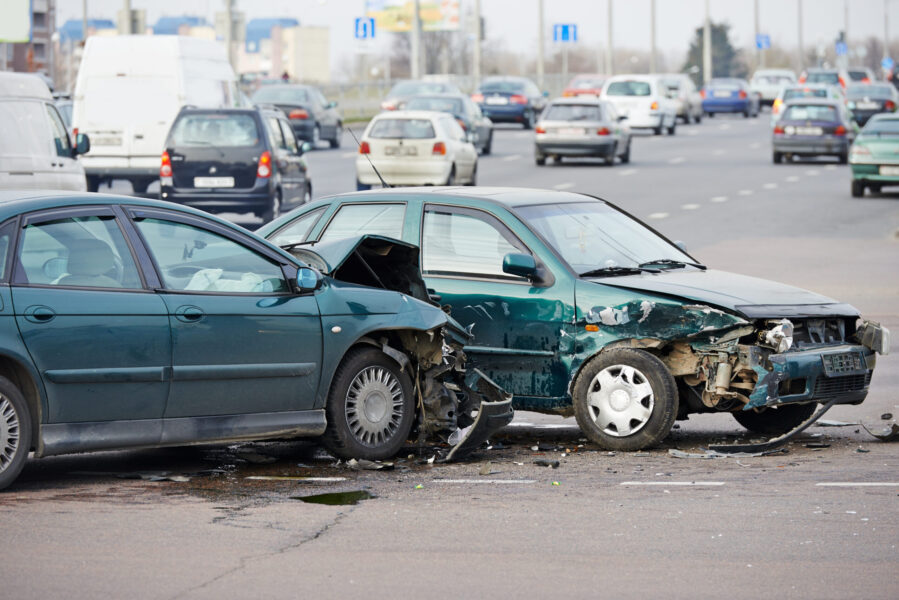
After a car accident, determining who caused the collision becomes crucial for insurance claims, medical expenses, and potential legal proceedings. Establishing fault requires systematic documentation and evidence gathering that can significantly impact the outcome of your case. When you can clearly demonstrate another driver’s negligence or traffic violations led to your accident, you strengthen your position for fair compensation.
Virginia Beach car accident attorneys understand the complexities involved in proving fault and can guide you through this challenging process. The evidence you collect and the steps you take immediately following an accident often determine whether you can successfully hold the responsible party accountable for damages and injuries.
Proving fault extends beyond simply stating what happened. Insurance companies and courts require concrete evidence that supports your version of events and demonstrates the other driver’s liability. This evidence must be gathered strategically and preserved properly to maintain its value throughout legal proceedings.
Gathering Evidence at the Scene
The moments immediately following a car accident present your best opportunity to collect crucial evidence. Your actions during this critical time period can make or break your ability to prove the other driver was at fault. Even if you feel shaken or injured, taking systematic steps to document the scene will protect your interests later.
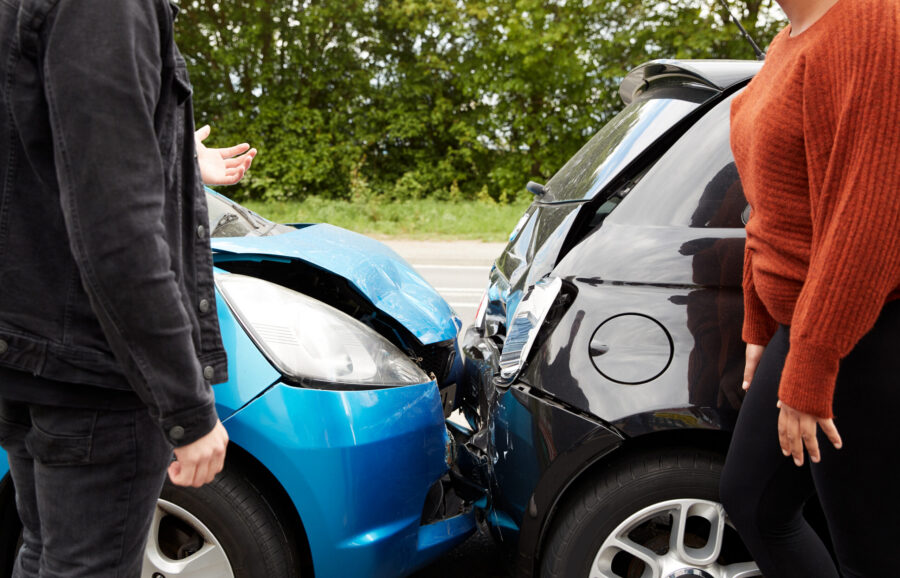
Photographing the accident scene from multiple angles provides visual evidence that cannot be disputed. Capture wide shots showing the overall scene, close-ups of vehicle damage, skid marks on the road, traffic signals or signs, and any debris scattered around the area. Take pictures of license plates, insurance cards, and driver’s licenses to ensure you have accurate information.
Document the weather conditions, time of day, and any factors that might have contributed to the accident. Road construction, poor lighting, or obscured traffic signs can all play roles in determining fault. These environmental factors often support arguments about why the other driver should have exercised greater caution.
Exchange complete information with all parties involved, including full names, contact numbers, insurance company details, and policy numbers. Obtain contact information from passengers in both vehicles, as they may serve as witnesses to the events leading up to the collision.
Avoid discussing fault or making statements about who caused the accident while at the scene. Insurance adjusters and opposing attorneys can use these statements against you later, even if they were made while you were in shock or trying to be polite.
Police Report
Law enforcement officers who respond to accident scenes create official police reports that carry significant weight in fault determination. These reports contain objective observations from trained professionals who investigate accidents regularly. Understanding how to obtain and use police reports strengthens your position when proving the other driver’s fault.
Police reports typically include diagrams of the accident scene, statements from all parties involved, witness accounts, and the officer’s assessment of what occurred. Officers may note traffic violations, cite drivers for infractions, or include their professional opinion about fault based on physical evidence and testimony.
The responding officer will examine skid marks, measure distances, and analyze the final positions of vehicles to reconstruct how the accident unfolded. This technical analysis often reveals details that support or contradict driver statements about speed, braking, or direction of travel.
Citations issued at the scene provide strong evidence of fault, as they indicate the officer determined one driver violated traffic laws. However, the absence of a citation does not necessarily mean fault cannot be established through other evidence.
You can typically obtain a copy of the police report within a few days to a few weeks after the accident by contacting the responding police department. Some jurisdictions allow online requests, while others require in-person visits or written requests.
Witness Testimony
Independent witnesses provide invaluable third-party perspectives that can corroborate your account of the accident. People who observed the collision without any stake in the outcome offer credible testimony that insurance companies and courts take seriously. Locating and interviewing witnesses requires prompt action, as memories fade and people become harder to reach over time.
Approach potential witnesses while still at the accident scene, if possible. Ask for their contact information and a brief statement about what they observed. Many people are willing to help but may leave quickly if not approached immediately. Store clerks, pedestrians, or drivers in nearby vehicles often witness accidents and can provide crucial testimony.
When speaking with witnesses later, ask specific questions about what they saw leading up to the collision. Did they notice one driver speeding, running a red light, or failing to signal? Were they able to observe both vehicles before impact? The more detailed their observations, the more valuable their testimony becomes.
Witness statements should be documented in writing and, when possible, recorded with the witness’s permission. This creates a permanent record of their observations that cannot be altered or misremembered later. Some witnesses may be willing to provide sworn affidavits that carry additional legal weight.
Keep in mind that witnesses may have different perspectives on the same event. Multiple witness accounts that align with your version of events create compelling evidence, while conflicting witness statements may require additional investigation to resolve discrepancies.
Medical Records
Your medical records serve dual purposes in proving fault by documenting both the extent of your injuries and connecting them directly to the accident. This medical evidence demonstrates the real-world consequences of the other driver’s actions and supports your claim for compensation. Thorough medical documentation also prevents the other party from arguing that your injuries were pre-existing or unrelated to the collision.
Seek medical attention immediately after the accident, even if you feel fine initially. Adrenaline and shock can mask pain and injury symptoms that become apparent hours or days later. Emergency room visits, urgent care treatment, or consultations with your primary care physician create medical records that establish a timeline linking your injuries to the accident.
Medical professionals will document your injuries through examinations, diagnostic tests, and treatment plans. X-rays, MRIs, and other imaging studies provide objective evidence of fractures, soft tissue damage, or internal injuries. These medical findings cannot be disputed and clearly show the severity of harm caused by the collision.
Follow all recommended treatments and attend scheduled follow-up appointments. Gaps in medical care can be used by opposing insurance companies to argue that your injuries were not serious or that you contributed to your own damages by failing to seek appropriate treatment.
Keep detailed records of all medical expenses, including co-pays, prescription medications, and any assistive devices needed during recovery. This financial documentation supports your economic damages claim and demonstrates the ongoing costs associated with your injuries.
Expert Consultation
Accident reconstruction experts possess specialized knowledge and training that enables them to analyze collision scenes scientifically and provide professional opinions about fault. These experts use physics, engineering principles, and computer modeling to recreate accidents and determine how they occurred. Their testimony can be particularly valuable in complex cases where fault is disputed.
Professional accident reconstructionists examine physical evidence such as vehicle damage patterns, skid marks, debris fields, and final vehicle positions. They calculate speeds, angles of impact, and sequence of events leading to the collision. This technical analysis often reveals details that are not apparent to untrained observers.
These experts can also evaluate whether road conditions, vehicle defects, or environmental factors contributed to the accident. Their comprehensive analysis may uncover additional parties who bear responsibility for the collision, such as construction companies or vehicle manufacturers.
Expert testimony carries significant weight in legal proceedings because these professionals have established credentials and experience in accident analysis. Courts recognize their expertise and consider their opinions when determining fault and liability.
The cost of hiring accident reconstruction experts may seem substantial, but their analysis can make the difference between a successful claim and a denied one. Insurance companies often retain their own experts, so having independent professional analysis ensures your interests are properly represented.
Legal Assistance
Navigating the complexities of proving fault requires legal expertise that most accident victims do not possess. Virginia Beach car accident attorneys understand the nuances of state traffic laws, insurance regulations, and legal procedures that affect your case. Professional legal representation ensures that evidence is properly preserved, analyzed, and presented to maximize your chances of success.
Experienced attorneys know how to investigate accidents thoroughly and identify all sources of evidence that support your claim. They have relationships with medical experts, accident reconstructionists, and investigators who can strengthen your case. Legal professionals also understand the tactics insurance companies use to minimize payouts and can counter these strategies effectively.
The legal process involves numerous deadlines, filing requirements, and procedural rules that can trap unwary accident victims. Missing a crucial deadline or failing to follow proper procedures can result in losing your right to compensation entirely. Attorneys ensure that all legal requirements are met and that your case proceeds smoothly through the system.
Insurance companies often pressure accident victims to accept quick settlements that are far below the true value of their claims. Attorneys can evaluate settlement offers objectively and negotiate for fair compensation that reflects the full extent of your damages and losses.
Deering Hedrick has extensive experience helping Virginia Beach residents prove fault in car accident cases and obtain the compensation they deserve. Their legal team understands local traffic patterns, common accident causes, and the strategies that work best in Virginia courts.
Take Action to Protect Your Rights
Proving the other driver was at fault in your car accident requires systematic evidence gathering, professional analysis, and skilled legal representation. The steps you take immediately after the collision and the evidence you preserve can determine whether you receive fair compensation for your injuries and losses. Each piece of evidence works together to build a compelling case that demonstrates the other driver’s responsibility for the accident.
Remember that insurance companies have teams of adjusters and attorneys working to minimize their payouts. Having experienced legal representation levels the playing field and ensures your interests are protected throughout the claims process. The sooner you begin building your case, the better your chances of success.
Schedule a call with Deering Hedrick today by calling 757-383-6848 to discuss your car accident case and learn how they can help you prove fault and obtain the compensation you deserve.

Related Posts