
Contact us
Send Us Your Case Details
We’ll respond and let you know the best way to proceed with your case.
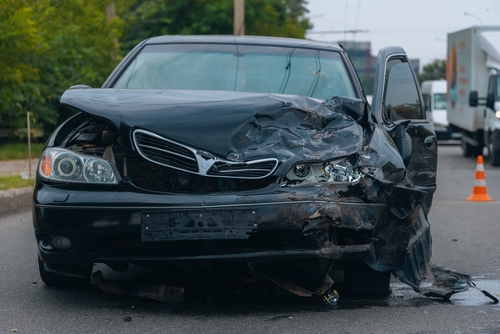
If the at-fault driver has no insurance, you may still have options for recovering compensation. Available uninsured motorist (UM) coverage may pay for injuries and property damage, subject to policy limits and applicable requirements. You can also pursue the uninsured driver directly, although collecting compensation may be difficult.
At Deering Hedrick, P.C., we help accident victims in Virginia Beach and across Hampton Roads recover compensation when the driver who caused the crash has no insurance. We review potentially available insurance coverage and guide you through the claims process. Contact Deering Hedrick, P.C. at (757) 383-6848 to discuss your accident.
Virginia is an at-fault state, which means the driver who causes an accident is responsible for the resulting damages. Normally, that driver’s liability insurance pays. When there is no liability insurance, the most common source of payment is your own uninsured motorist coverage. Your insurer essentially stands in the shoes of the uninsured driver and pays what you are legally entitled to recover, up to your UM limits.
The uninsured driver remains legally responsible, but a judgment does not guarantee payment. Available UM coverage may offer a more practical source of compensation.
Virginia Code § 38.2-2206 requires every auto liability policy issued in Virginia to include an uninsured motorist endorsement. That endorsement must agree to pay the insured all sums they are legally entitled to recover from an uninsured owner or driver, within limits at least equal to Virginia’s minimum liability requirements. Since January 1, 2025, those minimums are $50,000 per person and $100,000 per accident for bodily injury and $25,000 for property damage.
UM limits generally must match the liability limits on your policy. A named insured can reject the additional UM coverage above the required minimum, but the statute doesn’t allow anyone to reject the minimum UM coverage itself. The same endorsement must also include underinsured motorist (UIM) coverage, which applies when the at-fault driver has some insurance, but not enough.
The statute defines an “uninsured motor vehicle” broadly. It includes a vehicle with no liability insurance, a vehicle whose insurer denies coverage for any reason, and a vehicle whose owner or operator is unknown.
Because UM coverage pays what you’d be entitled to recover from the at-fault driver, it can cover the same types of damages, including medical expenses, lost wages, pain and suffering, and, for property damage coverage, repairs to your vehicle. If someone dies in the crash, UM coverage can also apply to claims for death resulting from bodily injury.
Under § 38.2-2206, “insured” includes more people than just the policyholder. Coverage can extend to:
This means you may have coverage even if you were a passenger, a pedestrian, or driving someone else’s car.
When more than one policy applies, the statute sets an order of payment. The policy covering the vehicle you were in pays first, followed by policies on other vehicles under which you’re a named insured, and then policies under which you’re an insured but not the named insured, such as a relative’s policy in your household.
Uninsured motorist property damage (UMPD) coverage can pay for damage to your vehicle and other covered property when an uninsured driver is responsible. If the at-fault owner or driver cannot be identified, the policy may exclude the first $200 of the loss.
UMPD is separate from collision coverage. Collision coverage pays for your vehicle regardless of fault but usually comes with a deductible. UMPD applies only when an uninsured driver caused the damage. Depending on your policy, you may be able to choose which coverage to use, and an attorney can help you decide which approach makes the most sense.
Your lack of insurance does not, by itself, prevent you from pursuing compensation from an at-fault driver. Whether you recover depends on liability, available coverage, and the circumstances of the claim. You may still face separate penalties for driving uninsured.
If neither driver has applicable liability insurance, first determine whether any UM coverage protects you through another policy. If no applicable coverage exists, you may need to pursue the at-fault driver personally.
If you win, you can try to collect the judgment through wage garnishment or liens on property, but recovery depends on what the driver actually has.
Virginia follows contributory negligence. If your own negligence was a proximate cause of the accident and your injuries, it may bar recovery. Because UM coverage generally pays damages you are legally entitled to recover from the uninsured driver, contributory negligence can also affect a UM claim. Your own insurer may dispute your account of fault. Gathering strong evidence for your car accident case is essential to countering that defense.
After a crash involving an uninsured driver:
The process begins with confirming coverage. Your attorney reviews your policy, any household policies, and the policy on the vehicle you were in to identify all available UM coverage. At the same time, you’ll need to document your losses with medical records, bills, wage statements, and repair estimates.
Next comes negotiation. Your insurer evaluates the claim much as the at-fault driver’s insurer would, and it may dispute fault or the extent of your injuries. If the claim doesn’t settle, Virginia law has specific lawsuit requirements.
You generally file suit against the uninsured driver and must serve a copy on your UM insurer, which can then defend the case.
Personal injury lawsuits in Virginia generally must be filed within two years of the accident.
A vehicle whose owner or operator is unknown is treated as uninsured, so UM coverage can apply to hit-and-run crashes. If there was no contact between the other vehicle and yours, or with you as a pedestrian, the accident must be reported promptly to your insurer or law enforcement.
Other sources may help fill gaps, including:
Other coverage may be available through the vehicle’s owner or an employer. Whether either party is legally responsible depends on the circumstances, such as negligent entrustment or an employee driving within the scope of employment.
An uninsured driver at fault in a crash faces serious consequences. The DMV can suspend their license and registration, charge a $600 noncompliance fee, and require them to file an SR-22 certificate of insurance for three years. They remain personally liable for the damages they caused, and if your UM insurer pays your claim, it gains the right to pursue the uninsured driver to recover what it paid.
Being injured by an uninsured driver can leave you worried about medical bills, lost income, and how to pursue compensation. At Deering Hedrick, P.C., our Virginia Beach personal injury lawyers review potentially available policies, address coverage disputes, and handle the procedural requirements of your claim. We explain your options and keep you informed throughout the process.
Attorneys Mike Deering and Chris Hedrick bring more than 30 years of combined legal experience to clients throughout Virginia Beach, Chesapeake, Norfolk, and the greater Hampton Roads region. Whether negotiating a settlement or representing you in court, our team provides straightforward guidance and develops a strategy based on your circumstances.
Contact Deering Hedrick, P.C. at (757) 383-6848 to discuss your uninsured driver accident.
