

Contact us
Send Us Your Case Details
We’ll respond and let you know the best way to proceed with your case.

A car that has been in an accident is usually worth less than an identical car with a clean history, even after high quality repairs. That lost value is called diminished value. In Virginia, you may be able to recover that loss from the at-fault driver, typically through their liability insurance, in addition to reasonable repair costs. Whether a diminished value claim makes sense depends on your vehicle, the damage, and how much value was actually lost.
At Deering Hedrick, P.C., our personal injury lawyers help drivers across Virginia Beach and Hampton Roads pursue compensation for accident related losses caused by someone else’s negligence, from medical bills to the reduced value of their vehicles. We give straight answers about whether a claim is worth pursuing and how to build it. Contact Deering Hedrick, P.C. at (757) 383-6848 to discuss your accident.
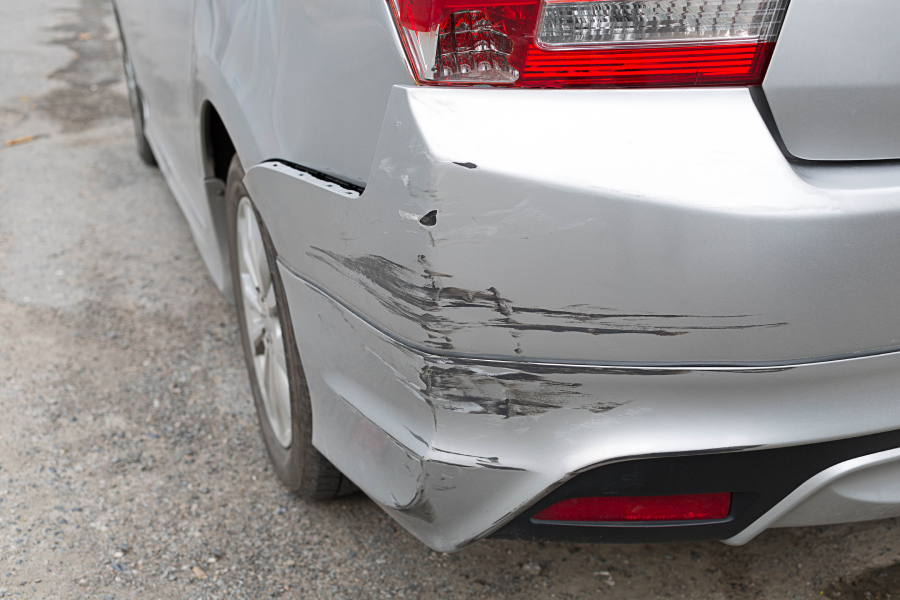
Diminished value is the difference between what your vehicle was worth immediately before the accident and what it is worth after repairs. Buyers and dealers routinely check vehicle history reports, and a reported accident, especially one involving structural or frame damage, can lower what they’re willing to pay. Even if your car looks and drives like it did before the crash, its resale or trade-in value may have dropped by thousands of dollars.
Virginia courts recognize that damages for a repairable vehicle may include reasonable repair costs and an allowance for depreciation that remains after repairs. Virginia Code § 46.2-1600 also defines “diminished value compensation” as an insurer’s payment to a third-party vehicle owner for reduced value, in addition to repair costs.
Diminished value is often divided into three categories. These terms distinguish loss measured immediately after a crash from loss that remains after repairs.
Inherent diminished value is the loss that remains even after a vehicle is properly repaired. It exists because the vehicle now has an accident history, and buyers tend to pay less for that history regardless of repair quality.
Repair related diminished value is additional loss associated with repair defects, such as mismatched paint, uneven panel gaps, improperly fitted replacement parts, or unresolved mechanical problems.
Immediate diminished value is the difference between the vehicle’s value immediately before and immediately after the accident, before repairs. It differs from the remaining loss in value of a repaired vehicle.
Virginia allows recovery of diminished value as part of a property damage claim, but who you can recover from, and when, depends on the circumstances.
Diminished value claims are commonly pursued through the at-fault driver’s liability insurance. Coverage under your own policy depends on its terms and the coverage involved, so do not assume that every type of first-party claim is excluded.
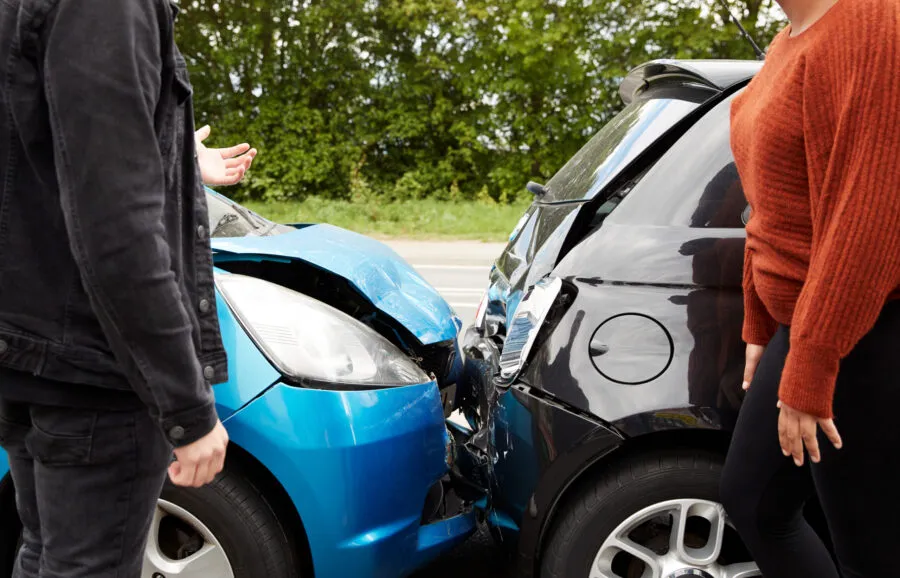
Virginia follows contributory negligence, a strict rule under which a person who is even slightly at fault for an accident may be barred from recovering damages from the other driver. Insurers often raise this defense to avoid paying property damage and injury claims alike.
It’s also important to separate your property damage claim from any injury claim. They’re handled separately, often by different adjusters, and settling one doesn’t automatically resolve the other. Our Virginia Beach personal injury lawyers can help keep both claims on track.
A Virginia lawsuit seeking compensation for vehicle damage, including diminished value, generally must be filed within five years after the claim accrues. Personal injury lawsuits arising from the same crash generally have a two year deadline. Exceptions can affect the applicable deadline.
There’s no single formula required by Virginia law. The core question is how much the market value of your vehicle dropped because of the accident.
The most direct approach compares your vehicle’s pre-accident value with its post-repair value. Pre-accident value is based on the vehicle’s year, make, model, mileage, condition, and options. Post-repair value reflects what a buyer would actually pay knowing about the accident and repairs. For example, if your vehicle was worth $32,000 before the crash and a qualified appraiser finds it’s worth $27,500 after repairs, your diminished value is $4,500.
Some insurers use the “17c formula,” which starts with 10% of the vehicle’s pre-accident value and applies reductions for damage severity and mileage. That calculation may not capture the vehicle’s actual market loss. An appraisal supported by relevant market data can help evaluate or challenge the insurer’s offer.
If your vehicle is declared a total loss, the claim generally concerns its pre-accident actual cash value rather than its value after repairs. A separate post repair diminished value claim ordinarily is not the issue.
Have questions about vehicle damage and other accident-related losses? Call Deering Hedrick, P.C. at (757) 383-6848 to discuss your options.
Diminished value claims are usually most worthwhile for newer vehicles, low-mileage vehicles, luxury or high value vehicles, and cars with structural or frame damage. A ten year old car with high mileage and minor cosmetic damage may have little measurable loss.
Weigh the potential recovery against the cost of pursuing it. An independent appraisal typically costs a few hundred dollars, and if the claimed loss is only slightly higher than that, the claim may not justify the effort. When the potential loss runs into thousands of dollars, or when a diminished value claim accompanies an injury claim, pursuing it often makes more sense.
If you believe your vehicle lost value after an accident, take these steps:
A lawyer can evaluate whether your claim is worth pursuing, review your appraisal, and push back on low offers based on formulas that understate your loss. When fault is disputed, a lawyer can gather evidence for your car accident case to counter a contributory negligence defense. If you were also injured, a lawyer can coordinate the property damage and injury claims so neither undermines the other.
An accident can leave you facing repair bills, a loss in vehicle value, and injuries that affect your daily life. Deering Hedrick, P.C. can review your situation and explain your options for pursuing compensation. Contact us at (757) 383-6848 to discuss your accident related losses.
